EV Battery Vent Manufacturer — Battery Pack Pressure Equalization Vent & Electric Vehicle Enclosure Vent India
BREATHABLE
VENTS FOR
AUTOMOTIVE
& EV
IP68 rated ePTFE membrane breathable vents for EV battery packs, lithium battery enclosures, BMS housings, on-board chargers, motor controllers, EV charging equipment, and automotive ECUs. Designed for battery pressure equalization during thermal cycling — preventing seal failure and moisture ingress in high-voltage enclosures. Electric vehicle vent manufacturer from Jamnagar, India.
THERMAL CYCLING
BREAKS SEALS
Battery packs heat up during charging and discharging, then cool when parked. Every cycle expands and contracts the air inside sealed enclosures — without a vent, this pressure forces humid outside air past seals and gaskets.
Once humid air enters a sealed EV enclosure, cooling causes condensation directly on electronics and battery cells. Water near high-voltage components is a critical safety and reliability failure mode.
Repeated pressure cycling without equalization physically degrades seals over time — a housing that passes IP68 at production may drop to IP54 after 12 months in the field without breathable vents maintaining seal integrity.
On-board chargers and DC fast charge equipment generate significant heat during operation. Wall-mounted and outdoor EV chargers also face rain, humidity, and temperature swings — all demanding reliable IP maintenance.
AUTOMOTIVE & EV
APPLICATIONS
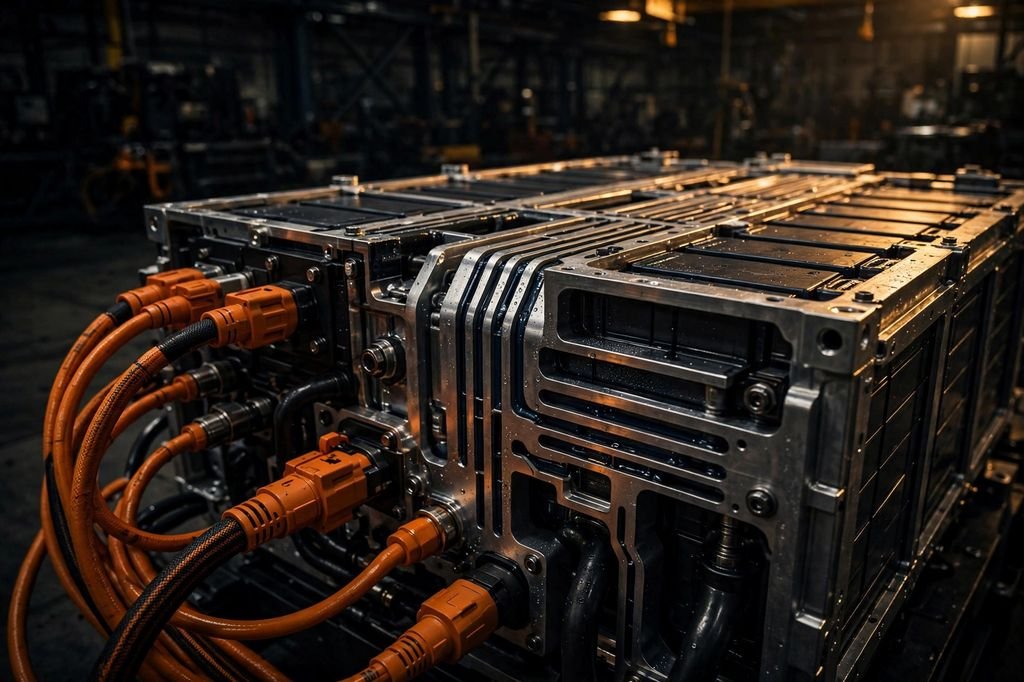
Module-level and pack-level battery enclosures — pressure equalization during charge/discharge thermal cycling protects cells and electronics from moisture-related failure.
BMS control unit housings where electronics monitor cell voltage, temperature, and state of charge — sealed enclosures that must maintain IP integrity throughout vehicle service life.
OBC housings that convert AC grid power to DC for battery charging — high heat generation requires reliable pressure equalization to protect internal power electronics.
Electric motor drive and inverter enclosures in underbonnet and undercarriage locations — vibration, heat, and water exposure make IK10 and IP68 venting essential.
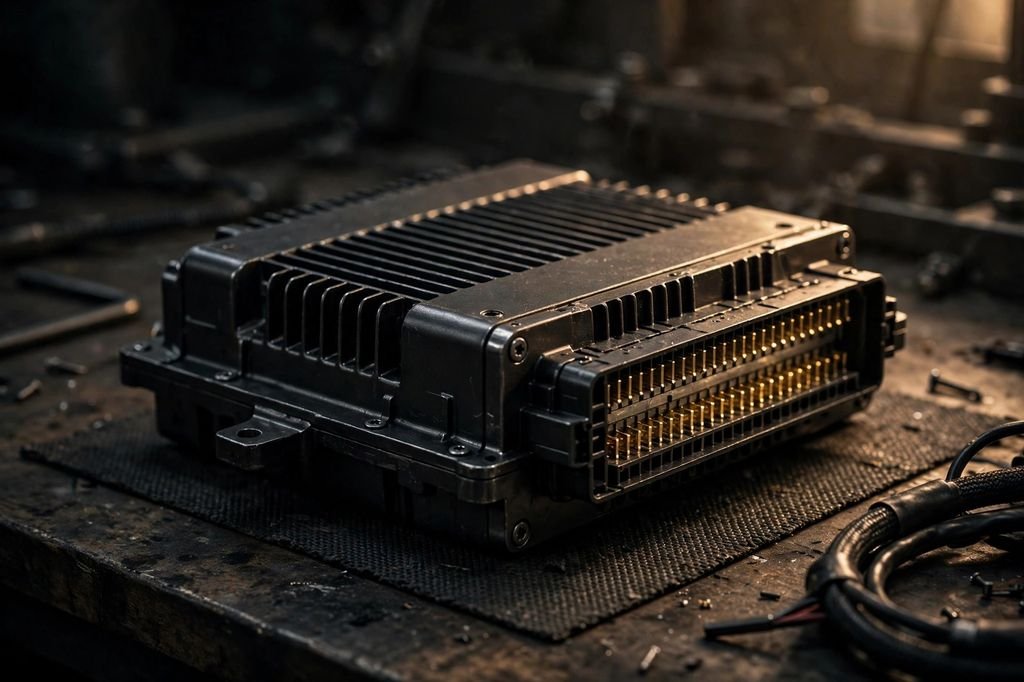
Engine control units, ADAS control modules, and body control modules in sealed enclosures — underbonnet environments with extreme thermal cycles and fluid exposure.
LED headlamp assemblies, tail lamp housings, and DRL enclosures — automotive lighting applications where condensation inside the lens degrades light output and aesthetics.
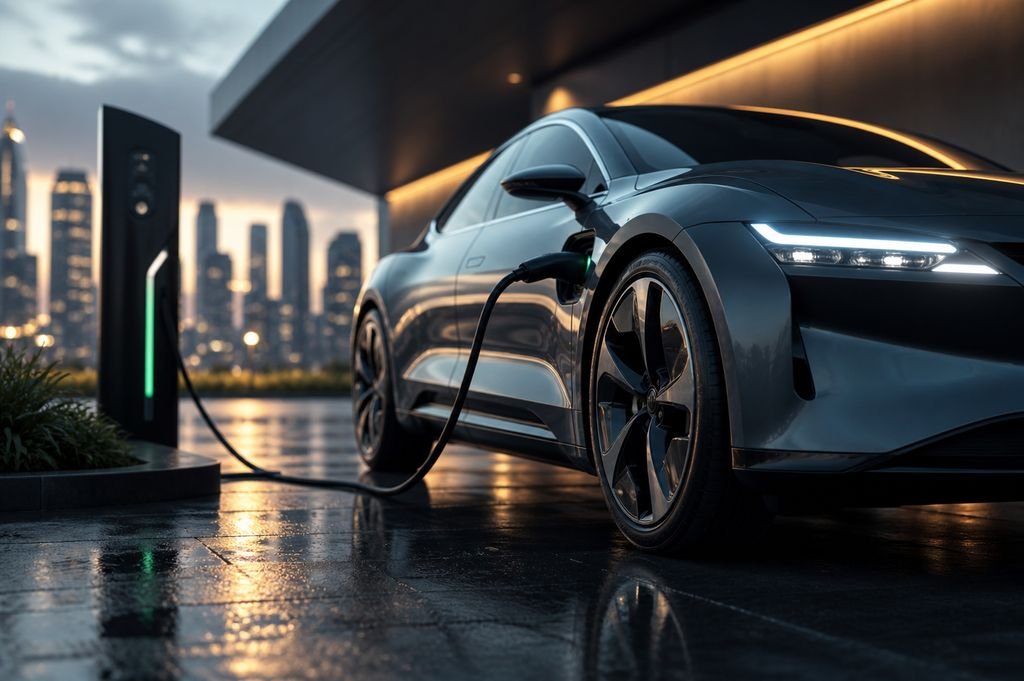
AC and DC fast charger enclosures installed outdoors — wall-mounted, pedestal, and canopy-mounted chargers exposed to rain, temperature cycling, and UV year-round.
Connected vehicle telematics modules, radar sensors, camera housings, and LIDAR units where sealed enclosure integrity is required across the full vehicle lifecycle.
Electric bus battery enclosures, truck powertrain housings, and commercial EV fleet equipment — larger format enclosures with higher airflow venting requirements.
RECOMMENDED
VENT TYPES
The primary choice for EV battery enclosures, OBC housings, and motor controllers. M12×1.5 thread is the automotive standard. IK10 rated for 20-joule impact. 1200 ml/min airflow. IP68 tested. European ePTFE membrane insert-moulded.
For ECU housings, body control modules, and compact automotive enclosures using M12×1.0 thread. Same European ePTFE membrane and IP68 rating. Stainless steel coated for corrosion resistance in underbonnet environments.
For smaller sensor housings, telematics modules, and ADAS enclosures requiring M6 thread venting. Compact form factor ideal for space-constrained automotive PCB enclosures.
For battery module internal venting and LED headlamp applications where screw-in mounting is not available. European ePTFE membrane, customisable size, oleophobic. Applied directly to enclosure wall.
EV & AUTOMOTIVE
QUESTIONS
Why do EV battery pack enclosures need breathable vents?
EV battery packs generate significant heat during charging and discharging, causing the air inside the sealed enclosure to expand and contract. Without a breathable vent, this repeated pressure cycling forces humid outside air past seals, degrading the IP rating and risking moisture ingress near high-voltage cells. A breathable vent with European ePTFE membrane allows pressure to equalize passively while physically blocking water, dust, and contaminants from entering.
What thread size is standard for EV and automotive enclosure vents?
M12×1.5 is the most common automotive standard thread size for battery enclosures and OBC housings. M12×1.0 is used in ECU and body control modules. M6×0.75 is used in smaller sensor and module housings. Precigenix supplies all three standard sizes plus custom development for OEM-specific requirements.
Are Precigenix vents vibration tested and suitable for underbonnet use?
Yes. Precigenix breathable vents are vibration tested and carry IK10 impact resistance (20 joules), making them suitable for underbonnet, undercarriage, and body-mounted enclosures where mechanical stress and vibration are continuous throughout vehicle service life.
What IP rating do EV battery enclosures typically require?
Most EV battery packs require IP67 or IP68 — immersion protection to 1 metre or beyond. OBC and motor controller housings typically require IP65 or IP67. Precigenix vents are available tested to IP54, IP65, IP66, IP67, and IP68 with independent lab certificates available on request.
What is a battery pressure equalization vent and why do EV packs need one?
A battery pressure equalization vent is an ePTFE membrane vent that balances internal air pressure inside a sealed EV battery enclosure as the pack heats and cools during charge and discharge cycles. Without equalization, repeated pressure buildup creates mechanical stress on enclosure seals — eventually causing seal failure, moisture ingress near high-voltage lithium cells, and risk of electrical fault. The ePTFE membrane allows air molecules to pass freely while physically blocking liquid water, dust, and battery outgassing vapors. Precigenix lithium battery vents are rated to IP68 and tested for chemical resistance to EV battery environments.
Can Precigenix supply EV battery vents for Indian EV manufacturers?
Yes. Precigenix is an Indian manufacturer based in Jamnagar, Gujarat, supplying EV battery vents, BMS enclosure vents, and EV charger vents to Indian and global EV OEMs. As a direct manufacturer, Precigenix offers competitive pricing, short lead times, samples within 3–7 days, and full technical support for qualification. Custom thread sizes and body configurations can be developed for Indian OEM enclosure designs. Contact our team with your EV enclosure drawing and IP requirement.